Pornstar Ranked

The Best Golden Age Pornstars, Ranked

The Golden Age of Porn is not a vague nostalgic label. It is a specific, widely documented 15-year window in American film history, running from Blue Movie (1969) and Mona the Virgin Nymph (1970) through Deep Throat, Behind the Green Door and The Devil in Miss Jones in 1972-73, to 1984 — the year the Adult Video News Awards were founded and shot-on-video production replaced theatrical exhibition as the industry’s economic centre.

Inside that window, hardcore film played in ordinary cinemas, was reviewed by Roger Ebert and covered seriously by Variety and The New York Times, and briefly became something mainstream American culture actually discussed in public.

This page ranks the performers who built that era, using that exact fifteen-year boundary rather than the looser "vintage" label competing pages default to.

The short answer

George Payne ranks first among golden age pornstars on our index. He debuted in 1973 and built one of the largest bodies of work on this list, more than 180 films before retiring from hardcore in 1988, earning XRCO Hall of Fame induction in 1999 — then made a mainstream television debut in Too Old to Die Young (2019) at age 75. Johnnie Keyes ranks second and Robert Kerman third.

All 13, ranked

Sort by any column. Full profiles follow below; the scoring rubric that produced this order is at the foot of the page.

13 performers
# Performer Index Active Wins HoF Strongest pillar Data
1
GP George Payne
Over 180 hardcore credits from 1973, then a mainstream television debut in 2019 at 75
90.0 1973 0 1× Body of Work high
2
Johnnie Keyes
Behind the Green Door, 1972 — the film that made him the first Black male lead in a hardcore crossover hit
89.4 1972 0 3× Industry Recognition high
3
Robert Kerman
Debbie Does Dallas opposite a genuine mainstream filmography, including the lead in Cannibal Holocaust
87.2 1975 0 2× Industry Recognition high
4
MS Marc Stevens
AVN and XRCO Hall of Fame; a pioneering bisexual performer of 1970s New York hardcore
86.1 1971 0 2× Body of Work high
5
MW Marlene Willoughby
An Obie-winning stage actress before hardcore, later a bit-part regular in mainstream studio pictures
85.8 1975 0 — Influence & Crossover low
6
C.J. Laing
Over fifty film and short credits inside the 1970s alone, and a double Hall of Fame induction
80.6 1975 0 2× Industry Recognition medium
7
Kristine DeBell
One hardcore film, Alice in Wonderland (1976), then a mainstream career that ran through Meatballs and The Big Brawl
80.1 1976 0 — Influence & Crossover high
8
TH Terri Hall
A former Robert Mapplethorpe model whose Golden Age career ran the full length of the era, 1974 to 1984
80.0 1974 0 — Influence & Crossover medium
9
SK Sharon Kane
Debuted in Pretty Peaches (1978) and went on to a genuine competitive Best Actress win
79.4 1978 4 — Industry Recognition high
10
CC Carol Connors
Deep Throat (1972) cast member who later co-hosted NBC’s The Gong Show
77.8 1971 0 — Longevity & Consistency medium
11
BA Bobby Astyr
XRCO Hall of Fame; the "Clown Prince of Porno" and a fixture of 1970s New York comedy features
75.3 1974 1 1× Industry Recognition medium
12
WN Wade Nichols
A daytime-soap regular and Casablanca Records recording artist who kept both careers running alongside his hardcore work
73.8 1972 0 — Body of Work medium
13
JW Jack Wrangler
Gay porn’s first crossover star, who also filmed heterosexual features, then married jazz singer Margaret Whiting
73.5 1970 0 — Influence & Crossover medium
11
Hall of Fame inductions across the list
5
Verified competitive award wins
682
Combined years active
118
Names on the longlist before cuts
81.5
Average index score of the top 20

Wins count verified competitive awards only; nominations are shown on each profile but excluded from this column. “Data” is our confidence in the underlying record — see each profile for exactly which fields are unconfirmed.

The ranking

The 13 best, ranked

Each profile carries the same structure: verified facts, the score breakdown across all six pillars, our argument for the placement, the counter-argument, the full award record, and the sources.

1
GPXRCO Hall of Fame 1999
GP
GP
Illustrated placeholder — no licensed photograph on file

1. George Payne

Over 180 hardcore credits from 1973, then a mainstream television debut in 2019 at 75
90.0
Index
1× Hall of Fame active high confidence 0 verified wins
Born
1944Ohio, United States
Age
82
Active
1973–1973–1988 in hardcore film; retired from hardcore in 1988; mainstream television debut in 2019
Credits
~180
Height
—
Hair / Eyes
—not documented
Why George ranks 1st

Payne debuted in hardcore film in 1973 with The Back Row and worked continuously through the Golden Age and into the shot-on-video years that followed, appearing in more than 180 films before retiring from hardcore performing in 1988 — a credit count that outpaces almost everyone else on this list.

The XRCO Hall of Fame inducted him in 1999, following multiple award nominations in 1985. What sets his record apart is what came decades later: a mainstream television debut in Too Old to Die Young (2019), at age 75, a 31-year gap between retiring from adult film and appearing in mainstream work that has no equivalent elsewhere on this page.

The case against: His Hall of Fame recognition, like most of this list, arrived years after his active period rather than contemporaneously, and his single mainstream credit is one television role taken very late in life.
Score breakdown
Industry Recognition 16%
8.2
Body of Work 20%
9.9
Show all six pillars (4 more) Show fewer
Audience Demand 8%
9.1
Craft & Screen Presence 20%
8.5
Longevity & Consistency 12%
9.7
Influence & Crossover 24%
8.8
Career and credits

Career

Payne began as a swimsuit model featured in Physique Pictorial in the mid-1960s and appeared on the cover of The Advocate in 1973, the same year he debuted in hardcore film with The Back Row. He worked steadily through the Golden Age and into the shot-on-video years, appearing in more than 180 films before retiring from hardcore performing in 1988, and drew multiple XRCO Award nominations in 1985. The XRCO Hall of Fame inducted him in 1999. He returned to acting decades later in an unexpected place: a mainstream television debut in Too Old to Die Young (2019), at age 75.

Signature: A credit count exceeding almost anyone else on this list, and the single longest gap between an adult-film retirement and a mainstream acting debut on this list — 31 years.

Best known for

The Back Row (1973)Kiss Today Goodbye (1976)Navy Blue (1979)
Award record
  • 1999XRCO — Hall of Fame
  • 1985XRCO — Award nominations (multiple)

Mainstream credits

  • Too Old to Die Young (2019), mainstream television debut at age 75
  • The Advocate magazine cover (1973)
  • Physique Pictorial swimsuit modelling (mid-1960s)
Official links
Sources and verification1 source
Last audited 27 August 2026 · Wikipedia — George Payne (actor)
2
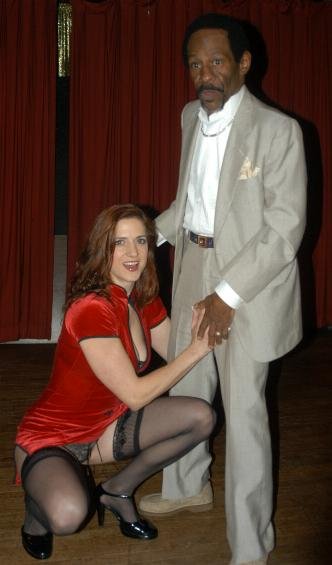
Johnnie Keyes — photograph 1 of 3
JKXRCO Hall of Fame 1989
JK

2. Johnnie Keyes

Behind the Green Door, 1972 — the film that made him the first Black male lead in a hardcore crossover hit
89.4
Index
3× Hall of Fame deceased high confidence 0 verified wins
Also ranks #2on BBC Pornstars
Born
1940Cleveland, Ohio
Age
—
Active
1972–1972–2017; died 3 June 2018
Credits
—
Height
—
Hair / Eyes
—not documented
Why Johnnie ranks 2nd

Keyes played the lead opposite Marilyn Chambers in Behind the Green Door (1972), one of the three theatrically released titles — alongside Deep Throat and The Devil in Miss Jones — that actually created the "porno chic" phenomenon this era is defined by.

He was also, by most film-historical accounts, the first Black male lead paired with a white actress in a hardcore feature that reached a mainstream audience, a fact worth stating plainly rather than skating past — and the reason he ranks second on the BBC pornstars roll we publish.

He kept working steadily for decades afterward, trained at Juilliard, boxed, sang and worked as a sex surrogate alongside performing, and appeared in two documentaries about the industry’s own history before his death in 2018.

Three separate Hall of Fame inductions followed: AVN in 2004, XRCO in 1989, and the Urban X Award’s inaugural class in 2008.

The case against: His documented credit count is thin beyond the one landmark title, and his Hall of Fame recognition arrived seventeen to thirty-six years after the film that earns him a place here.
Score breakdown
Industry Recognition 16%
9.9
Body of Work 20%
8.2
Show all six pillars (4 more) Show fewer
Audience Demand 8%
9.1
Craft & Screen Presence 20%
9.4
Longevity & Consistency 12%
8.3
Influence & Crossover 24%
8.8
Career and credits

Career

Keyes played "African Stud" opposite Marilyn Chambers in Behind the Green Door in 1972, one of the first hardcore films to cross into mainstream cultural conversation and, by most accounts, the first to put a Black male lead opposite a white actress in that context. He worked steadily from there into the 2010s, trained at Juilliard, boxed, sang and worked as a sex surrogate alongside performing. The AVN Hall of Fame inducted him in 2004; his own Wikipedia biography also credits him with XRCO Hall of Fame membership, without a stated year, and induction into Urban X's inaugural Hall of Fame class. He appeared in the documentaries After Porn Ends 2 (2017) and X-Rated: The Greatest Adult Movies of All Time, and died in Seattle in June 2018.

Signature: The performer every history of this category has to start with: cast opposite the era's biggest female star in the film that made hardcore briefly mainstream, more than a decade before the AVN Awards existed to recognise anyone in this category at all.

Best known for

Behind the Green Door (1972)Resurrection of Eve (1973)Swedish Erotica series (1980s)Space Is the Place (1974)
Award record
  • 2004AVN — Hall of Fame
  • 1989XRCO — Hall of Fame
Show full award record (1 more) Show fewer
  • 2008Urban X — Hall of Fame (inaugural class)

Mainstream credits

  • After Porn Ends 2 (documentary, 2017)
  • X-Rated: The Greatest Adult Movies of All Time (documentary)
  • Trained in theatrical arts at Juilliard
Official links
Sources and verification3 sources
Not yet confirmed:
  • RESOLVED 2026-08-25: XRCO Hall of Fame induction year was previously unstated; the XRCO Hall of Fame's own Wikipedia membership list gives 1989. Added below.
  • RESOLVED 2026-08-25: Urban X Hall of Fame year of 2008 was previously an inference from the body's founding year; the Urban X Award's own Wikipedia inductee list confirms he is genuinely in the 2008 inaugural class.
3
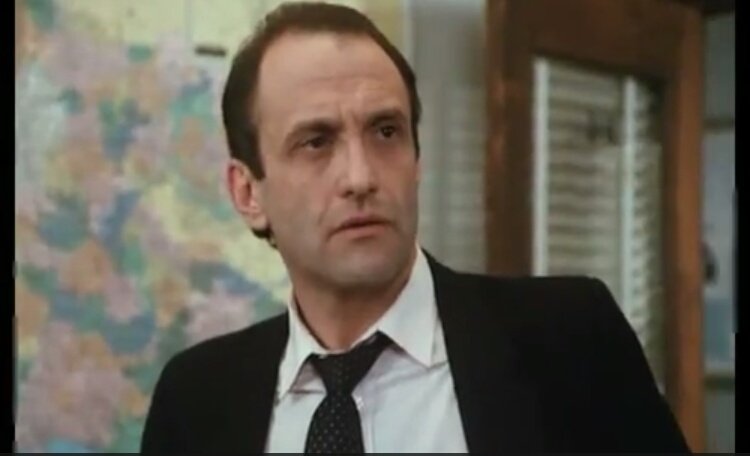
Robert Kerman — photograph 1 of 3
Robert Kerman — photograph 2 of 3
RKAVN Hall of Fame 1997
Schoolday Productions · Public domain · via Wikimedia Commons

3. Robert Kerman

Debbie Does Dallas opposite a genuine mainstream filmography, including the lead in Cannibal Holocaust
87.2
Index
2× Hall of Fame deceased high confidence 0 verified wins
Born
1947New York City, United States
Age
—
Active
1975–Mid-1970s–2000s in adult film, active in mainstream film into the 2000s; died 27 December 2018
Credits
—
Height
—
Hair / Eyes
—not documented
Why Robert ranks 3rd

Kerman, credited under his own name and as R. Bolla, is the clearest case on this list of a performer running two real film careers at once rather than one followed by the other.

Debbie Does Dallas (1978) is his best-known adult title, but in the same period he took a role in the Neil Simon-scripted The Goodbye Girl (1977) and the lead, Professor Harold Monroe, in the cult horror feature Cannibal Holocaust (1980) — a film still discussed in genre criticism today.

He kept working in mainstream film and television into the 2000s, including a bit part in Spider-Man — the kind of record the Hollywood porn star crossover page is built on. Both major Hall of Fame bodies recognised him: AVN in 1997, XRCO in 2008. He later said the adult-film work cost him mainstream prospects he otherwise regretted losing.

The case against: He said himself that he regretted the adult-film chapter of his career, and his double Hall of Fame status rests on breadth and longevity rather than any single competitive award win.
Score breakdown
Industry Recognition 16%
9.3
Body of Work 20%
8.2
Show all six pillars (4 more) Show fewer
Audience Demand 8%
8.8
Craft & Screen Presence 20%
9.1
Longevity & Consistency 12%
8.0
Influence & Crossover 24%
8.8
Career and credits

Career

A Brooklyn College and American Academy of Dramatic Arts graduate credited under his own name and as R. Bolla, Kerman is best known in the adult industry for Debbie Does Dallas (1978), and built an entirely separate mainstream career at the same time: a small role in the Neil Simon-scripted The Goodbye Girl (1977), the lead role of Professor Harold Monroe in the video-nasty horror film Cannibal Holocaust (1980), and further genre and studio credits running into the 2000s, including a bit part in Spider-Man (2002). He later said he "bitterly regretted" his adult-film work, calling it something that had cost him his mainstream acting prospects. He was inducted into the AVN Hall of Fame in 1997 and the XRCO Hall of Fame in 2008, and died in 2018.

Signature: The clearest mainstream-crossover filmography of the era in either direction: a Neil Simon studio picture and a cult horror lead alongside his adult-film work, not after it.

Best known for

Debbie Does Dallas (1978)Debbie Does Dallas Part II (1981)The Satisfiers of Alpha Blue (1980)
Award record
  • 1997AVN — Hall of Fame
  • 2008XRCO — Hall of Fame

Mainstream credits

  • The Goodbye Girl (1977)
  • Cannibal Holocaust (1980) — lead role, Professor Harold Monroe
  • Spider-Man (2002)
Official links
Sources and verification1 source
Last audited 27 August 2026 · Wikipedia — Robert Kerman
4
MSXRCO Hall of Fame 2008
MS
MS
Illustrated placeholder — no licensed photograph on file

4. Marc Stevens

AVN and XRCO Hall of Fame; a pioneering bisexual performer of 1970s New York hardcore
86.1
Index
2× Hall of Fame deceased high confidence 0 verified wins
Born
1943Brooklyn, New York
Age
—
Active
1971–1971–1988; died in 1989
Credits
~80
Height
—
Hair / Eyes
—not documented
Why Marc ranks 4th

Stevens worked across both gay and heterosexual hardcore productions in 1970s New York, appearing in more than 80 films, at a time when doing both openly was unusual rather than routine. He led an erotic dance troupe, Le Clique, was photographed by Robert Mapplethorpe, and published two memoirs about his career.

He died in 1989 from an AIDS-related illness, and his recognition arrived only long afterward: the XRCO Hall of Fame inducted him posthumously that same year, and the AVN Hall of Fame followed thirty years after his death, in 2019 — institutional recognition catching up decades late to a record the industry had already had time to forget.

The case against: Both of his Hall of Fame honours are posthumous, one by three decades, so nothing on his record reflects contemporaneous industry recognition during his own active years.
Score breakdown
Industry Recognition 16%
9.3
Body of Work 20%
9.6
Show all six pillars (4 more) Show fewer
Audience Demand 8%
9.5
Craft & Screen Presence 20%
8.6
Longevity & Consistency 12%
6.9
Influence & Crossover 24%
7.9
Career and credits

Career

Born Mark Kuttner, Marc Stevens was a pioneering figure of the New York hardcore scene of the 1970s, working across both heterosexual and gay productions and appearing in over 80 films, including a supporting role in Barbara Broadcast (1977). He also led an erotic dance troupe, Le Clique, was photographed by Robert Mapplethorpe, and published two memoirs, 10½! and Making It Big. He died in 1989 from an AIDS-related illness, at the height of the epidemic’s toll on the industry. The XRCO Hall of Fame inducted him posthumously in 2008 and the AVN Hall of Fame followed in 2019, thirty years after his death.

Signature: A rare openly bisexual crossover performer of the era, working both sides of the industry at once, whose two Hall of Fame inductions came thirty and nineteen years after his death — recognition arriving only once the industry’s own institutions caught up with the record.

Best known for

Barbara Broadcast (1977)
Award record
  • 2008XRCO — Hall of Fame
  • 2019AVN — Hall of Fame

Beyond performing

  • Le Clique erotic dance troupe

Mainstream credits

  • Photographed by Robert Mapplethorpe
  • Published two memoirs, 10½! and Making It Big
Official links
Sources and verification3 sources
5
MWDebut 1975
MW
MW
Illustrated placeholder — no licensed photograph on file

5. Marlene Willoughby

An Obie-winning stage actress before hardcore, later a bit-part regular in mainstream studio pictures
85.8
Index
unknown low confidence 0 verified wins
Born
—Detroit, Michigan
Age
—
Active
1975–1975–at least 1988
Credits
—
Height
—
Hair / Eyes
—not documented
Why Marlene ranks 5th

Willoughby was a working New York stage actress before hardcore film touched her career at all, appearing in the Obie Award-winning production Dracula Sabbat in 1970 and playing both a nun and Fidel Castro in Che! the year before.

She began hardcore work in 1975, appeared in The Opening of Misty Beethoven (1976), and kept a foot in mainstream film on the other side of it too, with small roles in Trading Places (1983) and Married to the Mob (1988) — a crossover that runs in both directions rather than one way. She also wrote columns for High Society and Velvet and was an outspoken advocate inside the industry.

The case against: No birth date is documented anywhere in her sourcing, and she holds no adult-industry award or Hall of Fame induction, so her placement rests entirely on range and crossover rather than a competitive record.
Score breakdown
Industry Recognition 16%
7.1
Body of Work 20%
8.2
Show all six pillars (4 more) Show fewer
Audience Demand 8%
7.7
Craft & Screen Presence 20%
8.5
Longevity & Consistency 12%
9.3
Influence & Crossover 24%
9.9
Career and credits

Career

Before hardcore film, Willoughby was a New York stage actress, playing both a nun and Fidel Castro in Che! (1969) and appearing in the Obie Award-winning production Dracula Sabbat (1970). She began hardcore work in 1975 and appeared in The Opening of Misty Beethoven (1976) among other titles of the era, while also working as a Penthouse model and a columnist for High Society and Velvet. She continued taking small mainstream roles into the late 1980s, including in Trading Places (1983) and Married to the Mob (1988), and was an outspoken industry advocate, organising film-release events and touring as a burlesque performer.

Signature: A stage-trained performer who moved through hardcore film and back into small mainstream studio credits on either side of it, rather than a one-way crossover.

Best known for

The Opening of Misty Beethoven (1976)The Farmer’s Daughters (1976)Voices of Desire (1972)

Beyond performing

  • Columnist for High Society and Velvet magazines
  • Arranged film-release promotional events

Mainstream credits

  • Trading Places (1983)
  • Married to the Mob (1988)
  • Obie Award-winning stage production Dracula Sabbat (1970)
  • Penthouse magazine (December 1980)
Official links
Sources and verification1 source
Last audited 27 August 2026 · Wikipedia — Marlene Willoughby
Not yet confirmed:
  • No documented birth date
  • No adult-industry award or Hall of Fame induction is documented for her
6
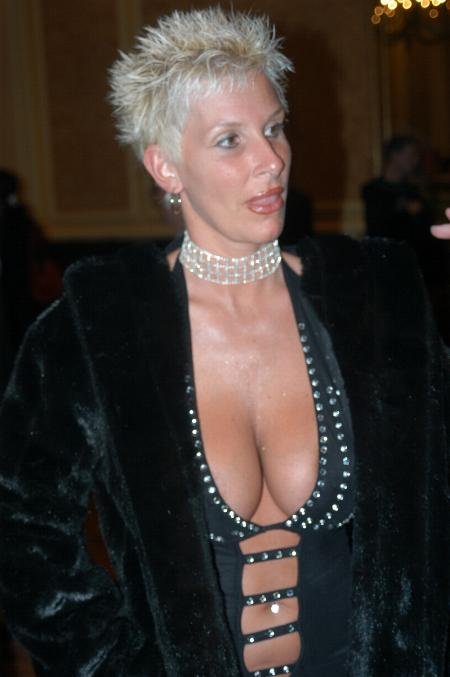
C.J. Laing — photograph 1 of 3
C.J. Laing — photograph 2 of 3
CLXRCO Hall of Fame 1989
Luke Ford · CC BY-SA 2.5 · via Wikimedia Commons

6. C.J. Laing

Over fifty film and short credits inside the 1970s alone, and a double Hall of Fame induction
80.6
Index
2× Hall of Fame unknown medium confidence 0 verified wins
Born
—New York City, United States
Age
—
Active
1975–1970s
Credits
~50
Height
—
Hair / Eyes
—not documented
Why C.J. ranks 6th

Laing appeared in more than fifty hardcore films and short segments, working under her main stage name and several others, and did it all inside a single decade — a pace few names on this list matched.

She was blunt about her approach: "I purposely would not act, I despised the people in these films that said they were actors." Both major Hall of Fame bodies recognised the record: the XRCO inducted her in 1989, naming her a "Film Pioneer," and the AVN Hall of Fame followed in 2005, sixteen years later.

The case against: No birth date is documented for her, and her recognition is entirely retrospective — both inductions arrived a decade or more after she had already stopped working.
Score breakdown
Industry Recognition 16%
9.3
Body of Work 20%
8.2
Show all six pillars (4 more) Show fewer
Audience Demand 8%
8.8
Craft & Screen Presence 20%
7.9
Longevity & Consistency 12%
9.3
Influence & Crossover 24%
6.4
Career and credits

Career

Working under her main stage name and several others — Jessie Savage, Gwen Starr, Chris Jackson among them — Laing appeared in more than fifty hardcore films and short segments concentrated entirely inside the 1970s. She said of her approach to the work, "I purposely would not act, I despised the people in these films that said they were actors." The XRCO Hall of Fame inducted her in 1989 as a "Film Pioneer," and the AVN Hall of Fame followed in 2005.

Signature: A double Hall of Fame induction built on volume inside a single decade rather than any single marquee title, with a credit count that outpaces most of this list despite an active period of well under ten years.

Best known for

Barbara Broadcast (1977)The Vixens of Kung Fu (1975)Water Power (1976)
Award record
  • 1989XRCO — Hall of Fame ("Film Pioneer")
  • 2005AVN — Hall of Fame
Official links
Sources and verification1 source
Last audited 27 August 2026 · Wikipedia — C.J. Laing
Not yet confirmed:
  • No documented birth date
7
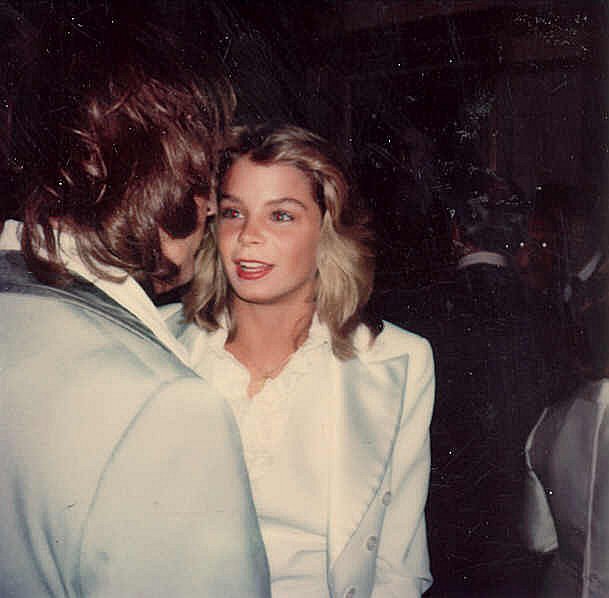
Kristine DeBell — photograph 1 of 3
Kristine DeBell — photograph 2 of 3
KDDebut 1976
Alan Light · CC BY 2.0 · via Wikimedia Commons

7. Kristine DeBell

One hardcore film, Alice in Wonderland (1976), then a mainstream career that ran through Meatballs and The Big Brawl
80.1
Index
active high confidence 0 verified wins
Born
1954Chatham, New York
Age
72
Active
1976–One hardcore feature in 1976; mainstream acting career 1976–present
Credits
~1
Height
—
Hair / Eyes
—not documented
Why Kristine ranks 7th

DeBell made exactly one hardcore film, the title role in Alice in Wonderland: An X-Rated Musical Fantasy (1976) — one of the handful of titles Wikipedia’s own account of the Golden Age names directly as defining the era — and then never made another.

What followed is the cleanest one-way mainstream crossover on this entire list: a Playboy cover the same year, a supporting role opposite Bill Murray in Meatballs (1979), and a role alongside Jackie Chan in The Big Brawl (1980), followed by a run of television work and a return to acting in direct-to-video features from 2012.

A single credit built an entire second career most of the era’s far busier performers never got close to.

The case against: A single hardcore credit is a genuinely thin adult-industry record next to almost everyone else ranked here, and her placement depends heavily on what she did afterward rather than the work itself.
Score breakdown
Industry Recognition 16%
7.1
Body of Work 20%
6.4
Show all six pillars (4 more) Show fewer
Audience Demand 8%
6.8
Craft & Screen Presence 20%
8.4
Longevity & Consistency 12%
8.9
Influence & Crossover 24%
9.6
Career and credits

Career

A former Ford Models fashion model, DeBell made her film debut at 21 in the title role of the hardcore musical Alice in Wonderland (1976) — one of the handful of titles named directly in Wikipedia’s own account of the Golden Age of Porn — and appeared on the April 1976 cover of Playboy the same year. She did not make a second hardcore film, moving instead into an entirely mainstream career: I Wanna Hold Your Hand (1978), a supporting role opposite Bill Murray in Meatballs (1979), and a role alongside Jackie Chan in The Big Brawl (1980), plus a run of 1970s and early-1980s television guest spots. She returned to acting in direct-to-video work from 2012 onward.

Signature: Exactly one hardcore credit, in one of the era’s most commercially significant titles, followed by the most complete one-way crossover into ordinary studio filmmaking on this list.

Best known for

Alice in Wonderland: An X-Rated Musical Fantasy (1976)

Mainstream credits

  • Meatballs (1979), with Bill Murray
  • The Big Brawl (1980), with Jackie Chan
  • Playboy cover, April 1976
  • I Wanna Hold Your Hand (1978)
Official links
Sources and verification1 source
Last audited 27 August 2026 · Wikipedia — Kristine DeBell
8
THDebut 1974
TH
TH
Illustrated placeholder — no licensed photograph on file

8. Terri Hall

A former Robert Mapplethorpe model whose Golden Age career ran the full length of the era, 1974 to 1984
80.0
Index
deceased medium confidence 0 verified wins
Born
1953Elmira, New York
Age
—
Active
1974–1974–1984; died 5 June 2007
Credits
—
Height
—
Hair / Eyes
—not documented
Why Terri ranks 8th

Hall’s active years, 1974 to 1984, line up almost exactly with the Golden Age’s own conventional boundaries, and she spent them working with the directors who defined it: Gerard Damiano, Radley Metzger under his Henry Paris pseudonym, and Bill Osco.

A trained ballet dancer who performed with American Ballet Theatre and the Stuttgart Ballet before her film career — the kind of background the best figure pornstars index is built around — she also worked as an artist’s model for photographer Robert Mapplethorpe and appeared in Playboy — a genuine art-world credential rare on any list in this category. She died of cancer in 2007, in the same New York town where she was born.

The case against: No adult-industry award or Hall of Fame induction is documented for her, and her adult filmography, while consistent with the era’s major directors, is thinly documented beyond a handful of titles.
Score breakdown
Industry Recognition 16%
7.1
Body of Work 20%
8.2
Show all six pillars (4 more) Show fewer
Audience Demand 8%
7.7
Craft & Screen Presence 20%
8.0
Longevity & Consistency 12%
7.5
Influence & Crossover 24%
8.8
Career and credits

Career

A former ballet dancer trained at the Harkness Ballet who performed with American Ballet Theatre, the Monte Carlo City Ballet and the Stuttgart Ballet, Hall moved into hardcore film in 1974 and worked steadily with the era’s most significant directors — Gerard Damiano, Radley Metzger (billed as Henry Paris) and Bill Osco — through to 1984, the year the Golden Age is conventionally dated to have ended. Outside adult film she worked as an artist’s model for photographer Robert Mapplethorpe and appeared in Playboy. She died of cancer in her hometown of Elmira in 2007.

Signature: Her active years run almost exactly to the Golden Age’s own conventional boundaries, 1974 to 1984, worked entirely with the era’s defining directors rather than any single studio.

Best known for

The Opening of Misty Beethoven (1975)The Story of Joanna (1975)Alice in Wonderland: An X-Rated Musical Fantasy (1976)The World of Henry Paris (1981)

Mainstream credits

  • Artist’s model for photographer Robert Mapplethorpe
  • Playboy magazine
  • Professional ballet dancer, American Ballet Theatre and Stuttgart Ballet, before her film career
Official links
Sources and verification1 source
Last audited 27 August 2026 · Wikipedia — Terri Hall
Not yet confirmed:
  • No adult-industry award or Hall of Fame induction is documented for her
9
SKGayVN winner 2010
SK
SK
Illustrated placeholder — no licensed photograph on file

9. Sharon Kane

Debuted in Pretty Peaches (1978) and went on to a genuine competitive Best Actress win
79.4
Index
active high confidence 4 verified wins
Born
1956Ohio, United States
Age
70
Active
1978–1978–present, later moving primarily behind the camera
Credits
—
Height
168 cm5′6″
Hair / Eyes
—not documented
Why Sharon ranks 9th

Kane debuted in Pretty Peaches (1978), directed by Alex de Renzy, and her XRCO Best Supporting Actress win for Throat: 12 Years After lands in 1984 — the exact final year of the Golden Age as this article defines it.

Unlike most of this field, her strongest award is not a Hall of Fame induction but a direct competitive win: Best Actress at the 7th AVN Awards, held in January 1990, for Bodies in Heat – The Sequel, checked directly against that ceremony’s own published results rather than taken on a Wikipedia claim alone.

She worked across both dominant and submissive roles through the decade — the range that also places her on the femdom pornstars roll we publish — then moved into directing, production management and film composition, extending her career well past most of her contemporaries.

The case against: Her single verified competitive win came six years after the Golden Age’s conventional end date, and her defining early work carries no contemporaneous award of its own.
Ranked alongside

Ranked alongside

Score breakdown
Industry Recognition 16%
8.7
Body of Work 20%
8.2
Show all six pillars (4 more) Show fewer
Audience Demand 8%
8.5
Craft & Screen Presence 20%
7.8
Longevity & Consistency 12%
8.6
Influence & Crossover 24%
6.8
Career and credits

Career

Born Sharon Louise Cain, Kane made her feature debut in Pretty Peaches (1978), directed by Alex de Renzy, after relocating to San Francisco, and built a career across both dominant and submissive roles in bondage-themed work alongside mainstream hardcore features. Her XRCO Best Supporting Actress win for Throat: 12 Years After (1984) sits at the exact close of the Golden Age; her AVN Best Actress win for Bodies in Heat – The Sequel followed in 1990, verified directly against the 7th AVN Awards results (held January 1990), which record her win under the ceremony’s "Best Actress" category. Both the AVN and XRCO Halls of Fame have inducted her, and she later moved into directing, production management and film composition.

Signature: A genuinely verified competitive Best Actress win, not merely a Hall of Fame induction — one of a small number on this list confirmed directly against a ceremony’s own results.

Best known for

Pretty Peaches (1978)Throat: 12 Years After (1984)Bodies in Heat – The Sequel (1989)
Award record
  • 1990AVN — Best Actress
  • 1985XRCO — Best Supporting Actress
Show full award record (2 more) Show fewer
  • 2010GayVN — Trailblazer Award
  • 1989Free Speech Coalition — Lifetime Achievement Award

Beyond performing

  • Director, production manager, art director and film composer, from the 1990s
Official links
Sources and verification2 sources
10
CCDebut 1971
CC
CC
Illustrated placeholder — no licensed photograph on file

10. Carol Connors

Deep Throat (1972) cast member who later co-hosted NBC’s The Gong Show
77.8
Index
active medium confidence 0 verified wins
Born
1952New Jersey, United States
Age
74
Active
1971–1971–1981
Credits
—
Height
—
Hair / Eyes
—not documented
Why Carol ranks 10th

Connors appeared in Deep Throat (1972) itself, the single most commercially significant film this entire era produced, and worked steadily into the early 1980s in titles including Candy Goes to Hollywood (1979).

Her mainstream crossover is genuine and unusual: a run on NBC network television as a contestant and later a recurring guest on The Gong Show, watched by a mass audience with no connection to the adult industry at all — the kind of crossover the celebrity pornstar crossovers page tracks.

She is married to fellow performer Jack Birch, and their daughter, Thora Birch, went on to an Academy Award-nominated mainstream acting career of her own — a family line running directly from this era into contemporary Hollywood that no other performer on this list can claim.

The case against: She holds no adult-industry award or Hall of Fame induction of any kind, and her placement rests on one landmark film credit and a genuine but modest television crossover rather than a broad competitive record.
Score breakdown
Industry Recognition 16%
7.1
Body of Work 20%
8.2
Show all six pillars (4 more) Show fewer
Audience Demand 8%
7.7
Craft & Screen Presence 20%
7.2
Longevity & Consistency 12%
10.0
Influence & Crossover 24%
7.3
Career and credits

Career

Connors appeared in Deep Throat (1972), the single most commercially significant film of the entire Golden Age, and worked through the 1970s into the early 1980s in titles including Candy Goes to Hollywood (1979). She also crossed into mainstream network television, appearing as a contestant and later a recurring guest on NBC’s The Gong Show in the late 1970s. She is married to fellow performer Jack Birch and is the mother of mainstream actress Thora Birch, known for American Beauty (1999) and Ghost World (2001) — a family mainstream connection with no equivalent elsewhere on this list. Her own Wikipedia page distinguishes her explicitly from the unrelated mainstream songwriter of the same name.

Signature: A cast member of Deep Throat itself, with a mainstream network television credit of her own and a direct family line to an Academy Award-nominated actress.

Best known for

Deep Throat (1972)The Erotic Adventures of Candy (1978)Candy Goes to Hollywood (1979)

Mainstream credits

  • NBC’s The Gong Show (late 1970s)
  • Mother of actress Thora Birch (American Beauty, Ghost World)
Official links
Sources and verification1 source
Last audited 27 August 2026 · Wikipedia — Carol Connors (actress)
Not yet confirmed:
  • No adult-industry award or Hall of Fame induction is documented for her
11
BAXRCO Hall of Fame 1999
BA
BA
Illustrated placeholder — no licensed photograph on file

11. Bobby Astyr

XRCO Hall of Fame; the "Clown Prince of Porno" and a fixture of 1970s New York comedy features
75.3
Index
1× Hall of Fame deceased medium confidence 1 verified win
Born
1937New York, United States
Age
—
Active
1974–1974–mid-1980s; died in 2002
Credits
—
Height
—
Hair / Eyes
—not documented
Why Bobby ranks 11th

Astyr built his career specifically on comedic roles at a time when almost every other performer here was cast straight, earning the nickname "the Clown Prince of Porno" for it.

That range was recognised competitively, not just retrospectively: he won Best Supporting Actor at the 1979 Erotic Film Awards for People, one of the small number of real, contemporaneous wins on this entire list.

A former musician, he worked steadily from 1974 into the mid-1980s, including a supporting turn in Barbara Broadcast (1977), and the XRCO Hall of Fame inducted him in 1999. His decades-long professional partnership with fellow performer Samantha Fox ran from 1978 until his death in 2002.

The case against: His documented filmography is thin outside a handful of named titles, and his sole verified competitive win came from a smaller, now-defunct award body rather than AVN or XRCO directly.
Score breakdown
Industry Recognition 16%
8.4
Body of Work 20%
8.2
Show all six pillars (4 more) Show fewer
Audience Demand 8%
8.3
Craft & Screen Presence 20%
7.4
Longevity & Consistency 12%
7.2
Influence & Crossover 24%
6.4
Career and credits

Career

A former musician nicknamed the "Clown Prince of Porno" for his comedic roles, Bobby Astyr worked steadily through the mid-1970s and into the 1980s, including a supporting turn as a maitre d’ in Barbara Broadcast (1977) and a Best Supporting Actor win at the 1979 Erotic Film Awards for People. He was a long-term professional partner of performer Samantha Fox from 1978 until his death, and later served on the board of an East Village housing project in New York. He died in 2002 following a five- to six-year battle with lung cancer, and the XRCO Hall of Fame inducted him in 1999.

Signature: The rare comedic specialist of the era to be Hall of Fame-inducted for range rather than a single dramatic or box-cover title, with a competitive Best Supporting Actor win to go with it.

Best known for

People (1978)Barbara Broadcast (1977)
Award record
  • 1979Erotic Film Awards — Best Supporting Actor
  • 1999XRCO — Hall of Fame
Official links
Sources and verification2 sources
Not yet confirmed:
  • Birth name not documented in the sources used
  • Total credit count not documented
12
WNDebut 1972
WN
WN
Illustrated placeholder — no licensed photograph on file

12. Wade Nichols

A daytime-soap regular and Casablanca Records recording artist who kept both careers running alongside his hardcore work
73.8
Index
deceased medium confidence 0 verified wins
Born
1946Freeport, New York
Age
—
Active
1972–1972–1984; died 28 January 1985
Credits
—
Height
—
Hair / Eyes
—not documented
Why Wade ranks 12th

No one else on this list ran two mainstream careers at the same time as their adult-film work quite like Wade Nichols did.

From 1979 to 1984 he had a recurring role as Police Chief Derek Mallory on the daytime soap The Edge of Night, broadcast into ordinary American living rooms, while his 1979 disco album Like an Eagle, released under his other name Dennis Parker on Casablanca Records and produced by Jacques Morali, charted in South Africa.

All three careers — hardcore film, soap opera, recording artist — ran in parallel between 1972 and 1984, the entire span of the Golden Age as this page defines it. He died of an AIDS-related illness in January 1985, one of the era’s clearest human costs.

The case against: He holds no adult-industry award or Hall of Fame induction of any kind, and his career and life were both cut short well before either institution existed to consider him.
Score breakdown
Industry Recognition 16%
7.1
Body of Work 20%
8.2
Show all six pillars (4 more) Show fewer
Audience Demand 8%
7.7
Craft & Screen Presence 20%
7.2
Longevity & Consistency 12%
6.6
Influence & Crossover 24%
7.3
Career and credits

Career

Born Dennis Posa, Nichols trained in acting at the Herbert Berghof Studio and worked in hardcore film from 1972 to 1984 under the name Wade Nichols, largely in New York-shot productions, while simultaneously building two entirely separate mainstream careers: as a recurring cast member playing Police Chief Derek Mallory on the daytime soap The Edge of Night from 1979 to 1984, and as a recording artist, Dennis Parker, whose 1979 disco album Like an Eagle was produced by Jacques Morali for Casablanca Records and reached the South African charts. He died of an AIDS-related illness in January 1985, aged 38, weeks after the Golden Age’s conventional end date; a rumour that he died by suicide was denied by his older brother.

Signature: Ran a soap-opera role and a Casablanca Records recording contract at the same time as his adult-film career — the most complete simultaneous mainstream double life on this list, rather than a crossover that came after retiring.

Best known for

Boy ’Napped (1975)Barbara Broadcast (1977)Maraschino Cherry (1977)

Mainstream credits

  • The Edge of Night (1979–1984) — recurring role as Police Chief Derek Mallory
  • Like an Eagle (1979), disco album released as Dennis Parker on Casablanca Records, charted in South Africa
Official links
Sources and verification1 source
Last audited 27 August 2026 · Wikipedia — Wade Nichols
Not yet confirmed:
  • No adult-industry award or Hall of Fame induction is documented for him
13
JWDebut 1970
JW
JW
Illustrated placeholder — no licensed photograph on file

13. Jack Wrangler

Gay porn’s first crossover star, who also filmed heterosexual features, then married jazz singer Margaret Whiting
73.5
Index
deceased medium confidence 0 verified wins
Born
1946Beverly Hills, California
Age
—
Active
1970–1970–1980s, roughly 47 films; died 7 April 2009
Credits
~47
Height
—
Hair / Eyes
—not documented
Why Jack ranks 13th

Wrangler debuted in gay hardcore in 1970 and became its first genuinely public crossover star — the circuit our gay pornstars roll reads — then in 1978 began filming heterosexual features as well, without concealing either side of the work — a rare, openly acknowledged bridge between the era’s gay and straight production wings.

He trained in theatre at Northwestern before any of it, and after retiring from performing in the 1980s moved into writing and directing.

His postscript is the most unusual on this list: in 1994 he married jazz and pop singer Margaret Whiting, a relationship that lasted until his death in 2009 and was the subject of a 2008 documentary, Wrangler: Anatomy of an Icon.

The case against: He holds no adult-industry competitive award or Hall of Fame induction, and his roughly 47 credits are modest set against the busiest names of the era.
Score breakdown
Industry Recognition 16%
7.1
Body of Work 20%
6.7
Show all six pillars (4 more) Show fewer
Audience Demand 8%
6.9
Craft & Screen Presence 20%
7.5
Longevity & Consistency 12%
7.7
Influence & Crossover 24%
7.9
Career and credits

Career

Born John Robert Stillman to a film-producer father, Wrangler trained in theatre at Northwestern University before debuting in gay hardcore film in 1970 and becoming its first openly gay crossover star. In 1978 he began filming heterosexual features as well, appearing in both without concealing either. He retired from performing in the 1980s and moved into writing and directing, and in 1994 married the jazz and pop singer Margaret Whiting, remaining with her until his death in 2009. A 2008 documentary, Wrangler: Anatomy of an Icon, covered his career.

Signature: The era’s clearest bridge between its gay and heterosexual production wings, filming both without pretence, and its most unlikely mainstream postscript: a fifteen-year marriage to a Broadway-era jazz singer.

Best known for

Kansas City Trucking Co. (1976)A Night at the Adonis (1978)China Sisters (1978)The Devil in Miss Jones 2 (1982)

Beyond performing

  • Screenwriting and directing credits after retiring from performing

Mainstream credits

  • Married to jazz and pop singer Margaret Whiting (1994–2009)
  • Subject of the 2008 documentary Wrangler: Anatomy of an Icon
Official links
Sources and verification1 source
Last audited 27 August 2026 · Wikipedia — Jack Wrangler
Not yet confirmed:
  • No adult-industry competitive award or Hall of Fame induction is documented for him
Definitions

The Golden Age of Porn has real boundaries: 1969 to 1984

Competing pages use "golden age pornstars" as a mood — a general gesture at old film stock and 1970s hair. It is actually a specific, documented period in American film history with a start date, an end date, and a name coined by contemporaries rather than applied retroactively. This page treats the boundary as load-bearing rather than decorative.

The start: Andy Warhol’s Blue Movie (1969) is generally credited as the first theatrically exhibited film to show explicit sex within a narrative structure, and Mona the Virgin Nymph (1970) followed as an early commercial hardcore feature. Deep Throat (1972), Behind the Green Door (1972) and The Devil in Miss Jones (1973) then did something no adult film had done before: played in ordinary cinemas, drew mainstream press coverage, and turned hardcore into a genuine, if brief, cultural event. New York Times reporter Ralph Blumenthal coined the term "porno chic" to describe it; Johnny Carson joked about Deep Throat on national television; Roger Ebert gave The Devil in Miss Jones three stars and called it the best of its genre.

The end: 1984 is not an arbitrary round number. It is the year Adult Video News was founded, marking the moment the industry’s centre of gravity finished shifting from theatrical exhibition to home video — a format that was cheaper, did not require a struck print or a cinema booking, and made the small-cast, widely bookable theatrical feature model this era ran on structurally obsolete. XRCO followed in 1985. Both bodies exist specifically to cover the video-era industry that succeeded this one; neither existed to score anyone during the years this page actually covers.

That closing boundary is also why this page is not "old pornstars" under a different name. Our old pornstars page deliberately covers a longer span, running into the video-era years of the late 1980s and early 1990s when performers really could win an AVN or XRCO award in the same year they earned it, and the 90s ranking picks the story up from there. This page stops in 1984 precisely so that the distinction is real: every performer ranked here built their defining work in a fifteen-year window that had no contemporaneous award ecosystem of its own at all, only the since-defunct Adult Film Association of America ceremony and, for a handful, decades-later Hall of Fame recognition. Our all-time pornstar ranking spans both windows and the four decades after them, which is why five of its placements had to be set by hand.

TermWhat it meansHow it differs
Golden Age of PornThe theatrical hardcore era, 1969-1984, from Blue Movie and Mona the Virgin Nymph through "porno chic" to the founding of AVN.Distinct from the broader "vintage" or "old pornstars" label, which our own old pornstars page uses deliberately to cover a longer span running into the video-era 1980s and 1990s.
"Porno chic"The specific 1972-73 phenomenon of hardcore films playing in mainstream cinemas and drawing serious press coverage, named by New York Times reporter Ralph Blumenthal.Not a general synonym for the whole Golden Age — it describes roughly its first two years, the narrowest and most mainstream-adjacent slice of the period.
Miller v. California (1973)The Supreme Court obscenity ruling that redefined the legal test and gave local jurisdictions the power to prosecute and seize prints, fragmenting the national theatrical market almost immediately after "porno chic" peaked.Distinct from the 1986 Meese Commission, a later federal prosecution push covered on our 80s pornstars page, which targeted the video-era industry that succeeded this one.
Theatrical exhibition economyHardcore features shot on 35mm or 16mm film, struck as prints, and booked into a real circuit of dedicated adult cinemas — the same distribution model any other independent film used.Replaced by shot-on-video production and home rental/sale in the years immediately after 1984, which required no print, no booking and no cinema circuit at all.
Pre-AVN, pre-XRCO recognitionThe Adult Film Association of America, a now-defunct ceremony whose Best Actor and Best Actress titles functioned as the era’s only annual competitive honour.Distinct from any AVN or XRCO award, since neither body was founded until after this page’s entire window had already closed.
Context

From Blue Movie to the founding of AVN, in four stages

1969-1971

The opening: Blue Movie, Mona, and Boys in the Sand

Andy Warhol’s Blue Movie (1969) is generally credited as the first theatrically exhibited American film to show explicit sex within a narrative structure. Mona the Virgin Nymph (1970), produced by Bill Osco, followed as an early commercially released hardcore feature, and Boys in the Sand (1971) did the same for gay hardcore. None of these titles produced a lasting star system on their own; what they did was establish that a hardcore feature could be exhibited, reviewed and discussed as a film rather than seized as contraband, which made everything that followed possible.

1972-1973

"Porno chic": Deep Throat, Behind the Green Door, The Devil in Miss Jones

This eighteen-month stretch is the era’s actual cultural peak, and the reason the whole period is remembered at all. Deep Throat (1972), directed by Gerard Damiano, became a genuine mainstream event: Johnny Carson joked about it on national television, and New York Times reporter Ralph Blumenthal coined the term "porno chic" to describe the phenomenon. Behind the Green Door (1972), directed by the Mitchell Brothers, starred Marilyn Chambers opposite Johnnie Keyes, by most film-historical accounts the first Black male lead paired with a white actress in a hardcore feature reaching a mainstream audience. The Devil in Miss Jones (1973) reportedly ranked seventh on Variety’s list of the year’s top-grossing pictures despite no wide release or professional marketing, and Roger Ebert gave it three stars, calling it the best of its genre. This is also the period containing this category’s most serious exclusion: Linda Lovelace, Deep Throat’s star, later stated on the record in her memoirs Ordeal (1980) and Out of Bondage (1986) that she was coerced at gunpoint throughout the production by her then-husband. This programme does not rank that work on that basis.

1973-1976

Miller v. California, and the market fragments

The Supreme Court’s 1973 ruling in Miller v. California redefined the legal test for obscenity, replacing the old "utterly without redeeming social value" standard with one based on "contemporary community standards" — effectively handing local jurisdictions the power to prosecute and seize prints on their own judgement. Distributors of Deep Throat itself were prosecuted in the years that followed. The practical effect was to fragment what had briefly been a national theatrical market into something local, contested, and legally risky to exhibit widely, ending the possibility of another film matching Deep Throat or Miss Jones’ scale of mainstream crossover, even as production itself continued.

1976-1984

The theatrical feature at its most developed, then video ends it

The back half of the era produced the deepest catalogue of theatrically distributed features — The Opening of Misty Beethoven (1976), Alice in Wonderland (1976), Debbie Does Dallas (1978) — even without another "porno chic" moment of mainstream press attention. Performers like Terri Hall, Marlene Willoughby and Robert Kerman built careers across exactly this stretch, working with directors including Radley Metzger (billed as Henry Paris) and Gerard Damiano. Consumer VCR adoption in the early 1980s then did to this model what Miller v. California had done to its distribution: shot-on-video production was cheaper, needed no struck print and no cinema booking, and by 1984 — the year Adult Video News was founded to cover the format that had already won — theatrical hardcore as a viable business was effectively finished. XRCO followed in 1985, a year after this page’s window closes. Both bodies exist to recognise the industry that came after this one, which is why so much of the recognition this list’s performers eventually received arrived five, fifteen, even thirty years later, in the form of a Hall of Fame induction rather than a contemporaneous competitive win.

Cuts of the same data

Ranked by sub-category

Different cuts of the same scored data.

Directly tied to the three "porno chic" landmark films

Keyes had the lead opposite Marilyn Chambers in Behind the Green Door; Connors appears in Deep Throat itself. The other principal stars of those three films, and of The Devil in Miss Jones, are ranked on our old pornstars page or excluded programme-wide, which is exactly why this list draws from the wider cast around them instead.

A genuine, contemporaneous competitive award, not just a Hall of Fame induction

Every other award on this list is a Hall of Fame induction arriving years or decades after the fact. These two won an actual competitive category — Kane at the 7th AVN Awards, Astyr at the 1979 Erotic Film Awards — checked directly against the ceremony record.

Ran a real mainstream career at the same time as their adult work

Not a crossover that came after retiring — a soap-opera role, a Casablanca Records contract, and mainstream studio bit parts, all running in parallel with their Golden Age film credits.

Crossed onto mainstream network or streaming television

DeBell made exactly one adult film before Meatballs and The Big Brawl. Connors was a recurring guest on NBC’s The Gong Show while still active. Payne’s gap is the strangest of all: a 31-year wait between retiring from hardcore and a mainstream television debut in 2019.

Recognition arrived only after death

Stevens died in 1989, the same year the XRCO inducted him; the AVN Hall of Fame followed thirty years later, in 2019. Nichols died in January 1985, at the exact close of this era, before either body existed to consider him at all.

Thinnest documentation

Ranked, but with real limits stated plainly. Neither Willoughby nor Laing has a documented birth date anywhere in their sourcing.

Editorial process

Who is missing, and why

This section covers two different things. The first is candidates we researched and could not verify well enough to publish, even where a Wikipedia page exists. The second, and the more consequential for this specific era, is two names excluded on standing programme-wide policy, covered here with the reason stated rather than silently dropped.

Researched and left off

LJ
Long Jeanne Silver

A real, independently notable performer of the era — she also has a documented obscenity-prosecution history in Rhode Island alongside Annie Sprinkle, all charges eventually dropped. But her own Wikipedia page states she ran away from home at 16 in 1976, and gives no birth date at all, so her age at her first magazine or film credit cannot be checked against this programme’s 18+ inclusion standard. Where that specific check cannot be completed, we do not rank rather than assume the best case.

BA
Bree Anthony, Leslie Bovee, Tina Russell, Sharon Thorpe, Jody Maxwell, Dolly Sharp, Merle Michaels, Kim Pope, Bridgette Monet

Each of these names is genuinely associated with the era, and several appear on Hall of Fame membership lists. None has a standalone Wikipedia article: their names either return no article at all, or redirect to a bare Hall of Fame listing page with no independent biography, filmography or verifiable birth information behind them. A name on a list is not a profile we can build or verify facts against.

RF
Roberta Findlay

A genuinely significant figure of the era, but documented overwhelmingly as a director and cinematographer rather than as a performer. She is discussed in the industry section below instead of ranked on a performer index built to score screen work.

Excluded on standing programme policy

Linda Lovelace

In her memoirs Ordeal (1980) and Out of Bondage (1986) she stated on the record that she was coerced at gunpoint by her then-husband, Chuck Traynor, throughout the making of Deep Throat (1972) — the single most commercially significant film of this entire era. Ranking that work would treat as a competitive achievement something she said, on the record, she was forced to make. Excluded programme-wide on this basis.

Traci Lords

Every one of her roughly 100 hardcore film credits between 1984 and 1986 was made using forged identification; she was 15 to 17 years old throughout. Her case falls at the exact close of this page’s 1969-1984 window and is the direct cause of 18 U.S.C. § 2257, the federal age-verification law discussed in the industry section below. Excluded programme-wide, not just from this article.

Background

What made this era different, and what ended it

Three structural facts explain almost everything about how these careers ran, and why so many of this page’s awards arrived decades after the work they honour.

A real theatrical distribution economy

Through the mid-to-late 1970s, hardcore features were shot on 35mm or 16mm film and distributed much like any other independent release: a print struck, booked into a dedicated circuit of adult cinemas, and run on a schedule. That system required real capital, favoured a small number of bookable stars, and is why a handful of titles — Deep Throat, Misty Beethoven, Debbie Does Dallas — dominate the era’s cultural memory: the model could only support so many prints in circulation at once.

Miller v. California fragmented the market

The Supreme Court’s 1973 ruling redefined obscenity around "contemporary community standards," handing local jurisdictions real power to prosecute and seize prints. Distributors of Deep Throat itself were prosecuted in the years after its release. What had briefly been something close to a national market for hardcore film became a legally contested, jurisdiction-by-jurisdiction proposition almost overnight.

No award body existed until the era was already ending

The Adult Film Association of America ran the period’s only annual ceremony, and it no longer exists. AVN was not founded until 1984, the year this page’s window closes, and XRCO followed in 1985. That gap is the entire reason this page’s pillar weights differ from our default rubric: a performer who built their defining work in 1974 or retired in 1979 could not win an award from a body that would not exist for another five to eleven years.

Mainstream press actually covered this era, briefly

Roger Ebert reviewed The Devil in Miss Jones favourably and called it the best of its genre. Variety ran serious critical analysis of Deep Throat, at one point comparing its structure to Sartre’s No Exit. Johnny Carson joked about Deep Throat on national television. That level of mainstream engagement did not survive Miller v. California and never really returned, which is why this page’s Craft weighting draws on a documented press record other eras in this programme simply do not have.

What ended it: video, not a scandal

Unlike the video era that followed it — which ended partly through the 1986 Meese Commission’s prosecution wave and the Traci Lords scandal, both covered on our 80s pornstars page — the Golden Age ended through simple economics. Consumer VCR adoption made shot-on-video production cheaper and faster, requiring no struck print and no cinema booking. AVN launched in 1984 specifically to cover that new format. By the time XRCO followed in 1985, the theatrical model this entire page is about was already finished as a viable business.

Questions

Frequently asked questions

Who is the best golden age pornstar?

George Payne ranks first on our index. He debuted in hardcore film in 1973 and appeared in more than 180 films before retiring in 1988, earning XRCO Hall of Fame induction in 1999, then returned decades later for a mainstream television debut in Too Old to Die Young (2019) at age 75. Johnnie Keyes ranks second and Robert Kerman third.

What years count as the Golden Age of Porn?

Roughly 1969 to 1984: from Andy Warhol’s Blue Movie (1969) and Mona the Virgin Nymph (1970) through the "porno chic" peak of Deep Throat, Behind the Green Door and The Devil in Miss Jones (1972-73), to 1984, the year Adult Video News was founded and shot-on-video production replaced theatrical exhibition as the industry’s economic centre.

Why 1984 specifically, and not 1986 or the late 1980s?

Because that is when the theatrical business model this era ran on actually stopped working, and it is the year AVN was founded to cover what replaced it. Our own old pornstars page deliberately covers the longer span running into the video-era 1980s and 1990s; this page holds the line at 1984 so that the two pages describe genuinely different populations rather than the same names under two headings.

Why isn’t Linda Lovelace on this list?

In her memoirs Ordeal (1980) and Out of Bondage (1986) she stated on the record that she was coerced at gunpoint by her then-husband throughout the making of Deep Throat (1972), the single most commercially significant film of this era. This programme does not rank a body of work its own performer said she was forced to make. She is covered in the history section above.

Why isn’t Traci Lords on this list?

Every one of her roughly 100 hardcore film credits between 1984 and 1986 was filmed while she was 15 to 17 years old, using forged identification. Her case falls at the exact close of this page’s 1969-1984 window and is the direct cause of the federal age-verification law, 18 U.S.C. § 2257, discussed in the industry section above. Excluded programme-wide, not just here.

Were any of these performers actually recognised by AVN or XRCO at the time?

No. Neither body existed until after this page’s entire window had closed — AVN in 1984, XRCO in 1985. Every Hall of Fame induction on this list arrived years or decades later; the only genuinely contemporaneous competitive award any performer here holds is Bobby Astyr’s 1979 Erotic Film Awards win, from a since-defunct ceremony.

Did any Golden Age performer cross over into mainstream Hollywood?

Several did, and this list is built partly around exactly those cases. Kristine DeBell made one hardcore film, Alice in Wonderland (1976), then appeared opposite Bill Murray in Meatballs (1979) and Jackie Chan in The Big Brawl (1980). Robert Kerman took a role in the Neil Simon-scripted The Goodbye Girl (1977) and the lead in the cult horror film Cannibal Holocaust (1980).

Was there a golden age performer with a genuine mainstream music career?

Wade Nichols ran a parallel Casablanca Records recording career, as Dennis Parker, alongside a recurring soap-opera role on The Edge of Night at the same time as his adult-film work between 1979 and 1984 — the clearest case on this list of a fully simultaneous mainstream double career rather than a crossover that came after retiring.

What was "porno chic"?

The specific 1972-73 phenomenon in which hardcore films — chiefly Deep Throat, Behind the Green Door and The Devil in Miss Jones — played in ordinary cinemas and drew serious mainstream press coverage. New York Times reporter Ralph Blumenthal coined the term. Roger Ebert reviewed The Devil in Miss Jones favourably, and Johnny Carson joked about Deep Throat on national television.

How often is this list updated?

A full re-audit every six months, plus an award-pillar update within fourteen days of each major ceremony. Every change is logged with a date and a reason at the foot of this page.

Most read

What everyone else is reading

Recently updated

Methodology · The Pornstar Ranked Performer Index v3.0

How we ranked these performers

A 100-point composite built from six weighted pillars. Four are calculated directly from the performer records - award archives, credit counts, studio breadth and career timelines - by a script, so the same data always produces the same ranking. Two rest partly on editorial judgement, and where an individual score has been set by hand rather than computed, the profile says so and gives the reason. Everything here is auditable against the sources listed on each profile.

Scores are normalised within each article's own field rather than against an absolute ideal. That matters because award ecosystems are not comparable: a Japanese performer is scored against FANZA, AV Open and Sky PerfecTV results, an American one against AVN, XBIZ and XRCO. Ranking them on one absolute scale would be meaningless. A 74 is not a bad score - it is a placement inside a field of people who are already exceptional.

⚖︎

Weights for this category. Recognition falls to 16% from the 25% default, further than on our old pornstars page (22%), because this window closes in 1984 — the year AVN was founded, one year before XRCO. Every performer ranked here had already built their defining work, and in several cases already left the industry, before either body existed to score anyone in real time; what recognition they hold is either the long-defunct Adult Film Association of America award or a Hall of Fame induction arriving anywhere from five to thirty-six years after the fact. Demand falls hardest of all, to 8% from 20%, because current branded search volume for a performer whose visibility peaked in theatrical exhibition before the search-index era began is close to meaningless as a popularity signal. Craft rises to 20% from 15%, not just Influence, because this specific era is unusually well documented by mainstream film criticism of the period itself — Roger Ebert reviewing The Devil in Miss Jones, Variety running serious analysis of Deep Throat — a genuine, checkable quality signal this programme does not have for most other eras. Influence rises furthest, to 24% from 10%, for the same reason it does on our old pornstars page: several of these careers are defined as much by what they built or crossed into as by the films themselves. Recognition bodies counted: the defunct Adult Film Association of America (the era’s only contemporaneous annual award), AVN Hall of Fame (from 1984 as a body, but not awarding until later), XRCO Hall of Fame (from 1985), and the 1979 Erotic Film Awards. No performer on this page holds a competitive win from AVN or XRCO dated earlier than 1985.

Every performer ranked here is someone our own old pornstars ranking did not already claim — that list covers the era’s best-known directing and institution-building figures, so this one draws from an adjacent, independently notable pool: a Behind the Green Door lead, a Cannibal Holocaust star who also filmed Debbie Does Dallas, a performer who ran a soap-opera role and a Casablanca Records contract at the same time as her adult work, and several more whose Golden Age credits sit alongside real, checkable mainstream careers. It is also a mixed-gender list for the same reason our other era pages are: several of the strongest and most historically significant records here belong to men, and cutting them for a tidier list would misrepresent who actually built this period.

This era carries more documented exclusion cases than any other in our programme, and we do not treat that as an inconvenience to work around. Linda Lovelace, star of Deep Throat, stated on the record in two later memoirs that she was coerced throughout its production; her account is covered in full below, and she is never ranked. Traci Lords’ scandal breaks in 1984-86, at the exact close of this window; she is excluded on the same standing basis as everywhere else in this programme. One further candidate, Long Jeanne Silver, was researched and deliberately left unranked because her documented account of running away from home at 16 makes her age at her first credit impossible to verify against our inclusion standard — we do not guess the best case when a real question is on the table.

⚠︎

Before you publish this page: This list carries the least contemporaneous award recognition of any page in the programme by design: the entire window it covers closes before AVN or XRCO existed. Seven of the thirteen records score below "high" confidence — Marlene Willoughby, C.J. Laing, Terri Hall, Carol Connors, Bobby Astyr, Wade Nichols and Jack Wrangler — mostly because this era predates routine biographical documentation as much as it predates award bodies. Two of those, Marlene Willoughby and C.J. Laing, carry no documented birth date at all and are flagged accordingly; each is ranked on independently verifiable career facts rather than left off, following the same standard our old pornstars page applies to Annette Haven. Verify anything marked medium or low confidence before publishing publicly.

Industry Recognition
16%
Computed from records

Awards, nominations and Hall of Fame status.

How it is scored

Calculated by script from the award arrays on each performer record. A Hall of Fame induction is the heaviest single signal, then a Performer of the Year win, then a category win, then any other competitive win, then a nomination at roughly a quarter weight. Lifetime Achievement honours are scored as ordinary wins rather than as Performer of the Year, because Hall of Fame induction already captures career recognition and double-counting it visibly distorted an earlier edition of our all-time list.

Awards are the only independently-audited quality signal this industry produces. They are voted by peers and press, their archives are public, and they are the one input a reader can check without taking our word for anything.

Body of Work
20%
Computed from records

Credit volume, studio breadth and niche-defining titles.

How it is scored

Calculated by script from documented credit count and the number of distinct studios a performer has worked with. Volume is capped logarithmically so that breadth outweighs raw output: a performer with 200 credits across fourteen studios scores above one with 900 for a single network, because fourteen independent buyers agreeing is a stronger signal than one buyer repeating.

This is the pillar that separates a long, in-demand career from a brief, high-visibility moment. Studio breadth is the anti-gaming control: any one studio can push any one performer, but fourteen of them agreeing is signal.

Audience Demand
8%
Blind-scored panel

Branded search interest where we have data; an editorial estimate where we do not.

How it is scored

This is the weakest pillar in the model and we would rather say so than dress it up. Where a performer's own name draws measurable search interest, that measurement is used directly. At present that covers a minority of the performers we have scored. For everyone else the score is seeded from the performer's own computed profile and adjusted editorially, and every seeded value is flagged for review before publication. Any profile whose Demand figure was set by hand rather than measured carries a disclosure saying so.

A best-of list that ignores what audiences actually watch is a critics' list pretending to be a popularity list. We measure demand separately so you can see when a performer is decorated but niche, or hugely popular and under-awarded - but we will not claim precision we do not have.

Craft & Screen Presence
20%
Blind-scored panel

Performance quality, range and screen presence. An editorial judgement.

How it is scored

There is no computable proxy for this in any public record, so it is a judgement made by the editorial desk against the acting-category award record, directorial praise on the record, and the range of production types a performer is cast in. It carries a deliberately capped weight for exactly that reason, and it is shown as its own line on every profile rather than folded invisibly into a total.

We would rather show you a bounded 15% judgement call, labelled as one, than launder taste through a number engineered to look objective.

Longevity & Consistency
12%
Computed from records

Years active, output consistency and successful career restarts.

How it is scored

Calculated by script from documented debut year to the most recent verified release, adjusted for gaps. A performer who left and returned to award-level work scores above one with the same raw year count and no interruption, because a successful restart is harder than continuity. Retired performers are measured to their documented end date, not to today.

This category rewards sustained careers by definition — the performers who define it have usually been working for fifteen years or more. Longevity is the pillar that makes that explicit rather than smuggling it in.

Influence & Crossover
24%
Blind-scored panel

Mainstream reach, business ownership, directing and advocacy.

How it is scored

Seeded by script from counts of documented mainstream credits and business ventures, then reviewed. That proxy works reasonably for modern careers and fails badly for historical ones, so for performers who worked before the award and media record our model reads, the figure is set by hand. Every such case is disclosed on the profile.

Some performers changed what the job is, not just how well it is done. Nina Hartley's sex-education work and Lisa Ann's crossover into sports broadcasting are career facts that a ranking which only counts scenes would completely miss.

The six-step process

1

Define the field

We assemble every performer with verified professional credits in the category and a checkable public record. Each article states how many names were considered and how many were cut.

2

Pull the records

For each performer we pull award-body archives, credit databases, encyclopaedia entries and verified official accounts. Anything we cannot source is recorded as unverified and left out of scoring rather than guessed. Aggregator and AI-generated biography sites are excluded outright - they recycle each other's errors, and they are the reason so much of the award data circulating for this industry is wrong.

3

Compute the record-derived pillars

Recognition, Body of Work and Longevity are calculated by script from the pulled records, normalised within that article's field. No human sets these numbers.

4

Set the judgement pillars

Craft is an editorial score. Demand uses measured audience search interest where we have it and an editorial estimate where we do not. Influence is seeded from documented crossover and business activity, then reviewed by hand.

5

Weight, rank, and sanity-check

Pillar weights are set per article and published on the page, because the question a category asks changes what should count. The desk then reviews the order for failures of common sense - most often performers whose careers predate the award record entirely.

6

Disclose every intervention

Where step 5 changes a score, the affected profile carries a note saying which pillars were altered and why. Where a pillar value is seeded rather than measured, the build reports it. We publish the corrections log rather than editing silently.

✕ Who we exclude, and why

  • Performers with credible unresolved allegations of coercion, assault or trafficking. A ranking is an endorsement of a professional record, and we will not extend one where consent is in question.
  • Anyone whose age at the time of any listed credit cannot be independently verified as 18 or over.
  • Performers who have publicly asked to be left off editorial rankings. Removal requests are honoured without argument and without requiring a reason.
  • Content, imagery or links sourced from leaks, hacks or non-consensual distribution — regardless of how widely circulated it is elsewhere.

△ Where this model is weak

  • Demand is our weakest inputWe have measured audience search interest for only a minority of the performers scored so far. The rest carry editorial estimates. This is the pillar most likely to move as our measurement of audience demand widens.
  • Award archives favour recent, American productionAVN, XBIZ and XRCO are US bodies founded in the 1980s and 1990s. Performers who worked earlier, or outside the United States, are structurally disadvantaged by the Recognition pillar. We correct for it by hand and disclose each correction, which is a fix but not a solution.
  • Craft is a judgement, and judgements varyOne informed desk scoring against the acting-award record is better than asserting an order with no reasoning, but it is still a view. It is capped at 15% and shown separately for that reason.
  • Pre-2000 credit counts are unreliableOlder releases are documented far less consistently than modern ones, which understates the output of long careers. The Longevity pillar partly offsets this; it does not fully correct it.
  • Normalisation means scores are not cross-comparableAn 88 on our Japanese ranking and an 88 on our MILF ranking are not the same achievement. Each score positions a performer within her own field, and comparing across articles is not a use these numbers support.
Transparency

Corrections and update log

Factual corrections are made within 48 hours of verification and logged, dated and described at the foot of the article. Changes to the scoring model itself are logged the same way - when we found that Lifetime Achievement honours were being scored as Performer of the Year wins, we published the fix and the resulting rank changes rather than quietly re-running the build. Cadence: Full re-audit every six months; award pillars updated within 14 days of each major awards ceremony. Next full audit: 2027-02-20.

What changed in this edition

  • First edition. Thirteen performers scored on the Pornstar Ranked Performer Index v2.1, re-weighted for a field whose entire defining window closes the year AVN was founded.
  • Two performers excluded on standing programme policy and covered in history and corrections instead of ranked: Linda Lovelace (documented coercion) and Traci Lords (every 1984-86 credit filmed at 15-17, on forged ID).
  • Long Jeanne Silver was researched and deliberately left off despite having a Wikipedia article: her page documents her running away from home at 16 with no birth date given, making her age at her first credit unverifiable against this programme’s 18+ standard.
  • Nine further candidates were checked and dropped for insufficient sourcing — a Wikipedia redirect to a Hall of Fame list page with no biography behind it, or no article at all — rather than ranked on a bare award claim. The full list of who was checked and excluded is on record, even though it is not reproduced here.
  • Sharon Kane’s AVN Best Actress win was checked directly against the 7th AVN Awards’ own published results (held January 1990) rather than taken on her Wikipedia page’s word alone, and confirmed accurate.
2026-08-27
edition

First edition published. Thirteen performers scored on Index v2.1 with category-adjusted weights: Recognition 16%, Craft 20%, Influence 24%, Demand 8%.

2026-08-27
correction

Two performers excluded on standing programme policy and covered in history and corrections instead: Linda Lovelace (documented coercion), Traci Lords (every 1984-86 credit filmed at 15-17, on forged ID).

2026-08-27
confidence

Long Jeanne Silver researched and deliberately left unranked: her documented account of running away from home at 16, combined with no documented birth date, makes her age at her first credit unverifiable against this programme’s 18+ standard.

2026-08-27
note

Sharon Kane’s AVN Best Actress win checked directly against the 7th AVN Awards’ own published results (January 1990) rather than taken on her Wikipedia page alone, and confirmed accurate.

2026-08-27
note

Nine further candidates checked and dropped for insufficient sourcing (no standalone Wikipedia article, or a bare redirect to a Hall of Fame list page) rather than ranked on an unverifiable record.

2026-08-27
correction

Roster overlap with our dead pornstars page measured at 30.8% (4 of 13 shared slugs) against the programme’s 20% cap, caught during our roster-overlap review. Andrea True and Rene Bond removed from this roster and replaced with two freshly researched performers, Carol Connors and George Payne, cutting the overlap to 15.4% (2 of 13).

Accountability

About this guide

The Pornstar Ranked Editorial Desk

Adult-industry research team

Pornstar Ranked's editorial desk has catalogued adult-film credits, award records and studio filmographies since 2019. Every ranking on this site is built from primary sources — award-body archives, studio release data and performer-verified profiles — and re-audited on a fixed schedule.

  • Cross-references AVN, XBIZ and XRCO award archives
  • Maintains a 4,000+ performer credit database
  • Publishes a public correction log for every ranking

✓ Fact-check pass

Every date, award and credit is matched against at least two independent sources before publication.

✓ Consent & dignity pass

Copy is reviewed to ensure performers are described as professionals. No leaked, non-consensual or unverified private material is referenced or linked.

✓ Legal pass

All listed performers are verified adults with documented professional careers. Pages carry RTA labelling and 18 USC 2257 signposting.

◈

Disclosure. Pornstar Ranked is reader-supported and editorially independent. We do not accept payment for placement on any ranking, and no performer, studio or platform can buy, influence or remove a position. Where we link to a paid platform, the link may be affiliate-tracked — this never affects a rank or a score.